
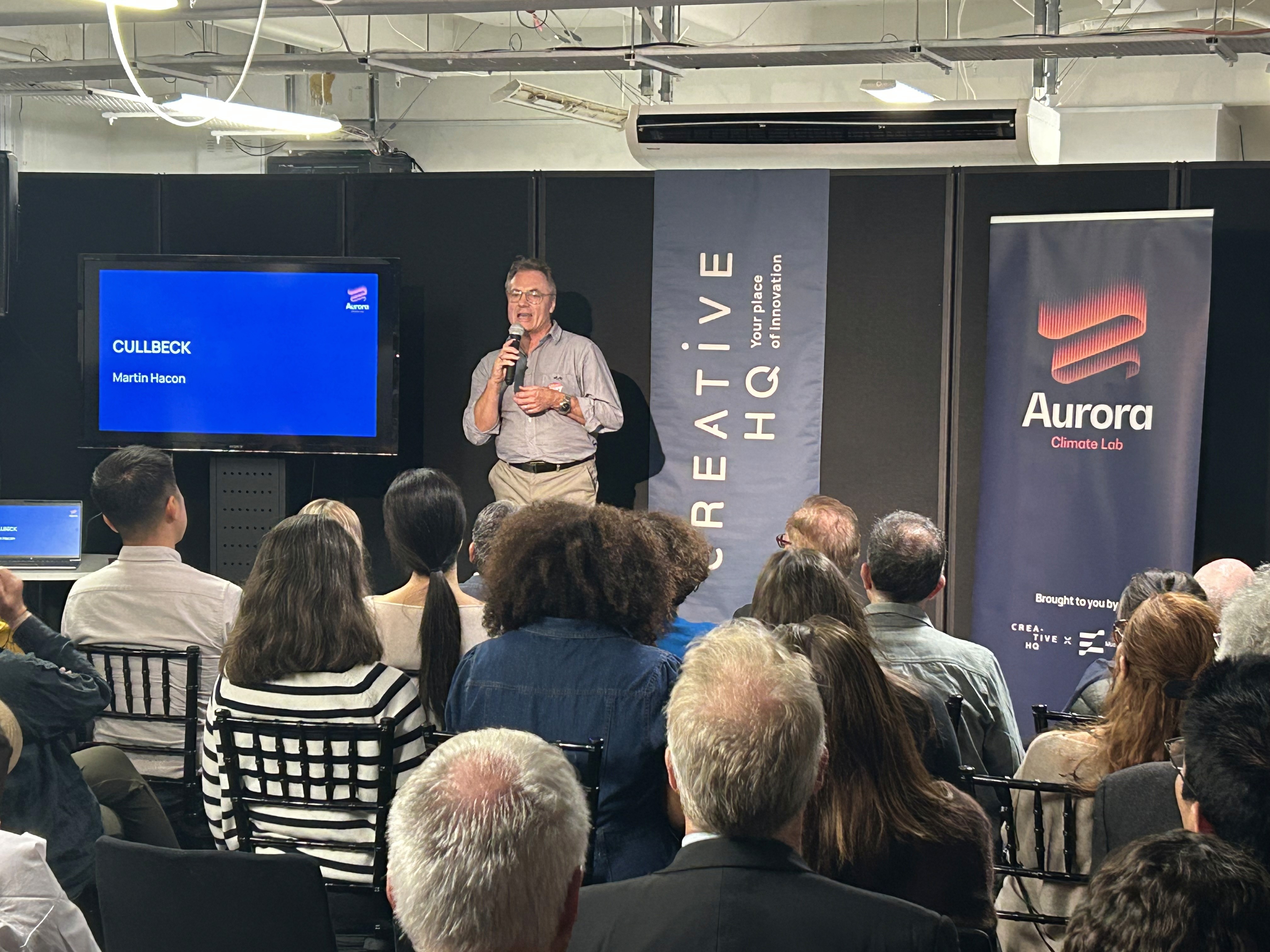
CullBeck is part of the 2026 Aurora Climate Lab cohort
Most organizations treat AI as a feature to add rather than a system to architect. The distinction matters enormously. AI bolted onto existing infrastructure becomes brittle, expensive to maintain, and difficult to scale. AI architected from a clear foundation compounds in value over time.
The difference is visible in outcomes. Reactive AI projects consume large budgets and deliver limited return. Deliberate architecture creates systems where each additional model, dataset, and integration makes the overall platform more capable and more defensible.
Getting this right requires thinking at the systems level before writing a single line of model code.

Separate concerns across model, data, and inference layers
Conflating training, storage, and inference in a single tightly coupled system creates scaling bottlenecks and makes iteration expensive. Cleanly separated layers allow each component to evolve independently and fail safely.
Design for observability from day one
Production AI systems that cannot explain their own behavior become liabilities. Embedding logging, drift detection, and interpretability tooling at the architecture level prevents costly retrofits later and supports regulatory requirements.
Plan for model versioning and rollback
Architecture that treats model versions as first-class deployable artifacts allows teams to iterate quickly without fear. Blue-green deployments, shadow testing, and canary releases become standard workflow rather than special procedures.
Intelligent architecture compounds return
Organizations that invest in clean AI architecture recoup that investment many times over. Faster iteration cycles, lower infrastructure costs, and the ability to reuse shared components across multiple AI products create compounding competitive returns.
The best time to architect intelligently is before the first deployment. The second best time is now.
More expert guides and insights


Want to be a part of it?
We're building a small, high-calibre team to bring this to life. If you've spent your career in heavy industry and you're ready to do something that actually matters, we'd like to talk.